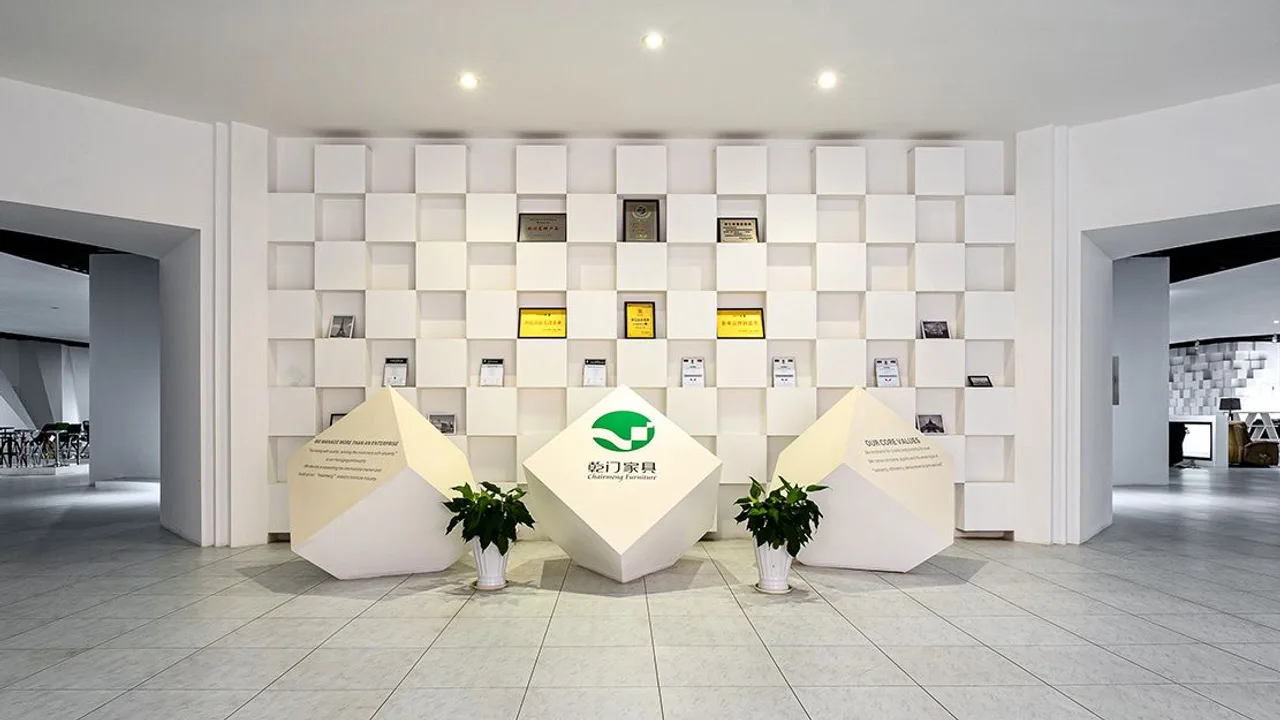
We run three seating lines on one site — sofas and recliners, office and gaming chairs, and massage and comfort chairs — and buyers regularly ask why we have not "specialised". The honest answer is that for a lot of importers, buying across categories from one capable factory is the cheaper way to run a programme. But not always, and I would rather you understand where the line sits than oversell it.
The freight math is real
The clearest saving is logistics. Industry sources put container consolidation at roughly 15 to 25 percent off freight cost, because you are filling a 40HQ instead of paying for half-empty boxes or LCL surcharges across multiple suppliers. Supplier fragmentation — chasing five vendors for one mixed order — is consistently flagged as a top headache for importers, and not just on freight: it is five sets of samples, five QC trips, five payment terms and five chances for one late factory to hold your whole shipment. When your sofa, your office chairs and your massage chairs ship from the same gate, you load one mixed container, run one inspection and cut one payment.
Where one-vendor sourcing pays off
Consolidation works when the categories share a backbone. In our case the foam line, the sewing floor and the metalwork feed all three product lines, so a sofa cushion and a massage-chair comfort layer come off related processes. That shared base is why we can hold spec and price across lines instead of being good at one and mediocre at the rest. For a buyer building a furniture catalogue — a retailer who needs sofas, office chairs and a few massage chairs under one brand — that is a genuine saving in time and money.
The trade-off, and the honest limit
Consolidation also adds risk, and the sourcing literature is blunt about it: mixing cargo means a quality problem in one line can delay the whole container, and one factory's bad month hits every SKU you buy there. So the rule we give buyers is simple. Consolidate the categories where the supplier is genuinely strong, and keep a separate vendor for anything that is really a different industry. We are a seating and upholstery maker; if you need glass tables or mattresses, that is not our floor and we will say so rather than subcontract it and put our label on someone else's quality. Buying from one gate only helps you if that gate is actually good at each line.
How we handle a mixed programme
For multi-line orders we quote each category on its own merits, then plan the loading together so you get the freight benefit without forcing a bad fit — buyers running their first mixed container often find the first container checklist on ChairManufacturer.net a useful pre-loading reference. We build and test all three lines to BIFMA and EN seating methods, with third-party reports arranged per order. If you are weighing whether to consolidate or split, tell us the full catalogue and your markets, and we will tell you honestly which lines belong with us and which do not.
Start that conversation through our contact page or at [email protected]. Our OEM/ODM workflow is built for buyers running more than one line at a time.